- Your Complete Home Service Under One Roof
- 01395 571000

Ways to Lower Your Water Bill This Winter
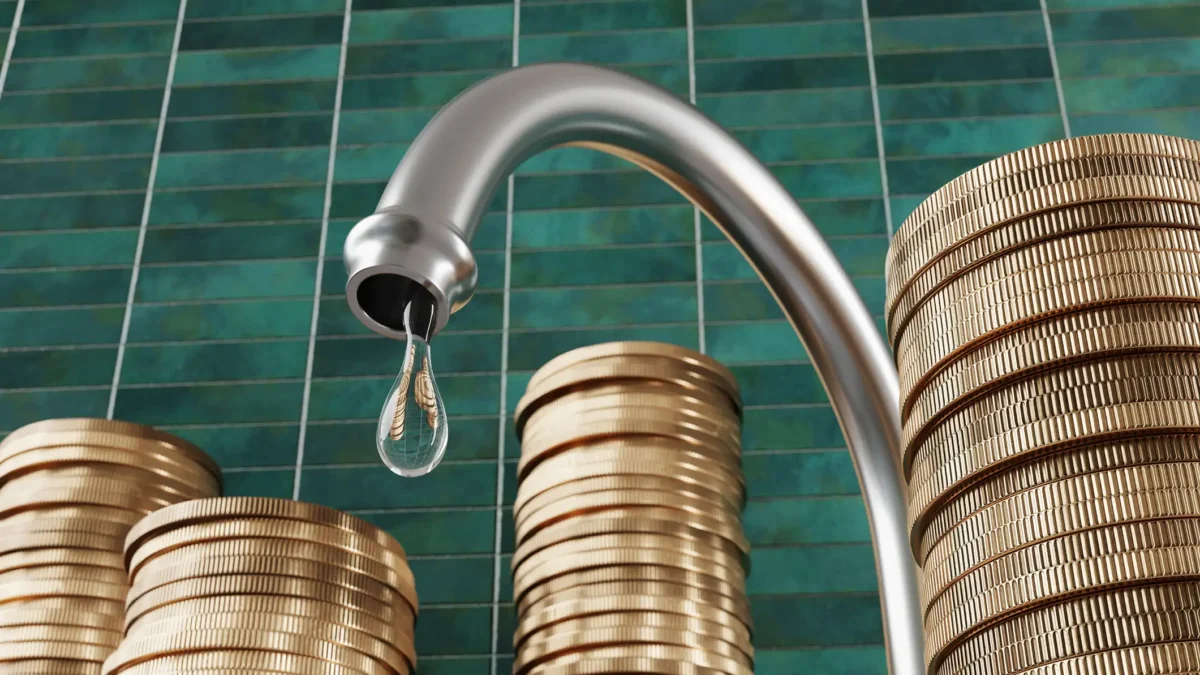
As the colder months roll in, many of us start to notice higher household bills, especially when it comes to heating and water usage. Winter tends to bring about changes in our daily routines, like longer showers or boiling more kettles for hot drinks, all of which can increase water consumption without us even realising. Thankfully, there are several simple and practical ways we can cut back on water use during winter and reduce our bills at the same time. And in many cases, it’s just about making a few small adjustments to how we use water every day.
We’ve seen firsthand how implementing even a handful of water-saving tips can make a noticeable difference, not only in usage but also in cost. From installing basic devices to adopting more efficient habits in the kitchen and bathroom, there are a variety of steps we can take to bring our water bills down this season. In addition, if you’re on a low income, there may be financial support available through your water supplier that could significantly reduce your monthly payments. Here’s how to get started.
Be More Water-Efficient in the Kitchen
The kitchen is one of the most water-intensive areas of the home, but it’s also where we can make some of the easiest changes. For example, when using a dishwasher, it’s best to only run it when it’s completely full. Two half-loads use more water than one full cycle. And if you’re still rinsing dishes before placing them in the dishwasher, you can skip that step entirely. Most modern dishwashers are designed to handle food residue, and just scraping off leftovers is enough.
If you prefer washing up by hand, use a bowl instead of letting the tap run. This can save around 18 litres of water each time. It’s also worth rethinking how you use your kettle. Boiling only the amount of water you need doesn’t just reduce water waste, but also cuts down on energy use. Another clever tip is to reuse the water from boiling vegetables or pasta-once it’s cooled, it can be used to water your plants instead of tipping it down the sink.
Reduce Water Waste in the Bathroom
Bathrooms are where the bulk of water is used in most homes, so changes here can really add up. A quick win is to take shorter showers. Reducing your shower time by just one minute can save a family of four around 48 litres of water a day. Many water companies offer free water-saving tools such as shower timers or efficient showerheads, which reduce flow but still maintain good pressure.
Leaving the tap running while brushing your teeth or shaving is another common habit that wastes a surprising amount of water. Turning the tap off while you’re not actively using it could save up to 6 litres per minute. Leaky toilets are another hidden drain, quite literally. A single leaking loo can waste up to 400 litres of water a day. A simple test with a piece of toilet paper at the back of the bowl can help spot silent leaks early on.
For older toilets with large cisterns, adding a “save-a-flush” or cistern displacement device can reduce the volume of water used per flush. These devices are often available for free through your water supplier and are straightforward to install.
Consider Switching to a Water Meter
If you’re not already on a water meter, it might be worth considering. In England and Wales, switching is free and gives you the ability to pay only for the water you actually use. This can be particularly beneficial if there are more bedrooms than people in your home. We’ve often advised customers to use the free calculator provided by the Consumer Council for Water to assess whether a meter could save them money.
When you have a meter installed, many providers also offer a trial period, usually between 12 and 24 months, where you can revert to your previous billing method if you find your costs increase. It’s a helpful safety net while you test out whether metered billing suits your household.
Check If You Qualify for a Lower Tariff
If you’re on a low income or receive certain benefits, your water provider may offer a social tariff to help reduce your bill. These schemes vary depending on the supplier, but some offer reductions of up to 90%. The WaterSure scheme is another option, specifically for customers who have a water meter and either a medical condition that requires high water use or three or more children under the age of 19. It caps your bill at the average for your region and can provide much-needed financial relief during the winter.
To find out what support is available, the best step is to contact your water provider directly. Their websites often have information on eligibility and how to apply, and they may also be able to assist you in filling out the necessary forms or gathering documentation.
Prevent Frozen Pipes and Costly Repairs
Winter can bring its own set of plumbing issues, particularly when it comes to frozen pipes. If water inside a pipe freezes, it can expand and cause the pipe to burst, leading to significant damage and a major waste of water. Insulating your pipes with lagging is a low-cost preventative measure that helps maintain water flow during cold spells.
Outdoor taps are also at risk. We always recommend using tap jackets or covers to protect them from freezing temperatures. Taking these precautions now can save a lot of stress and expense down the line, and help ensure your water usage stays consistent without unexpected losses from leaks.
Lowering your water bill this winter doesn’t have to mean a drastic change in lifestyle. Small habits, like reducing shower time or running your dishwasher efficiently, really do add up over time. Combining those changes with practical steps, such as fitting a water meter or applying for a social tariff if you’re eligible, can result in real savings.
Check with your water company for free devices and guidance tailored to your area, and use tools like the Water Meter Calculator from the Consumer Council for Water to assess your situation. With a few thoughtful changes, we can all reduce our water use, avoid unnecessary waste, and keep our bills under control this winter.