- Your Complete Home Service Under One Roof
- 01395 571000

Warm Homes Plan and Solar PV: what it means for households
Energy bills rarely stay still, so it makes sense that more households are now looking beyond short-term support and towards upgrades that reduce energy use year after year. From our experience, the biggest shift happens when you stop treating energy costs as something you can only react to, and start planning your home’s setup so it naturally needs less imported energy to stay comfortable and run day to day. That’s where insulation, solar PV, batteries and smart controls start to work as a joined-up solution rather than separate purchases.
The government’s Warm Homes Plan is being positioned as a long-term, national push to upgrade homes so they’re cheaper to heat and power, while making clean energy technologies more accessible for ordinary working households. It matters for anyone thinking about solar because it directly links rooftop solar with other improvements, including batteries, heat pumps and insulation, so the benefits stack up rather than sitting in isolation. If you’re considering solar now, this context is useful because it suggests that finance and support options may improve over the next few years for people who want to invest in their homes.
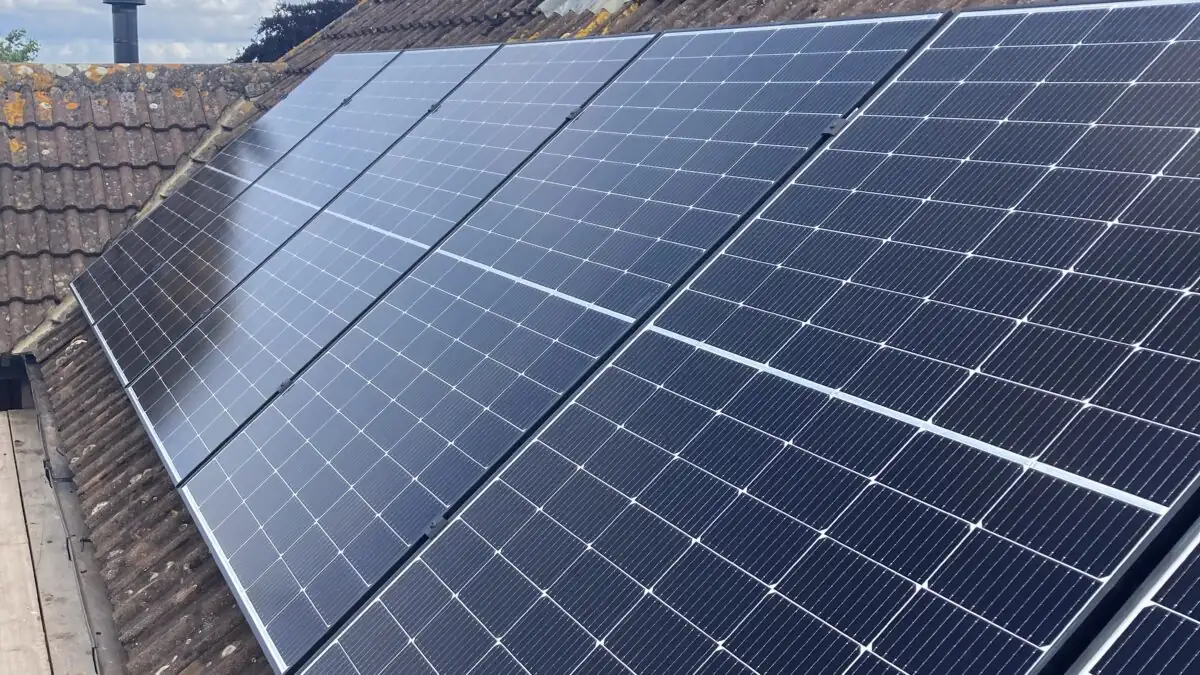
On our side, we install Solar PV systems designed around real properties and real usage patterns, because the right design is what makes solar feel worthwhile. We focus on helping customers understand what a system will realistically produce, how it can be used in the home, and how it fits with future plans like batteries or electrified heating. You can see how we position our Solar PV service and the kinds of outcomes we’re aiming for on our Solar PV Systems page.
What the Warm Homes Plan is (in plain English)
The Warm Homes Plan is a government programme announced as a major home-upgrade package backed by £15 billion of public investment, with the stated aim of rolling out upgrades to up to 5 million homes by 2030. The government says these upgrades could save households “hundreds” on energy bills and help lift up to a million families out of fuel poverty by 2030.
The announcement also points to a long decline in energy-efficiency work, stating that home insulation installations fell by more than 90% between 2010 and 2024. That detail is important because it frames the plan as a practical correction: if homes lose heat and waste energy, households stay exposed to higher running costs. Put simply, better building fabric plus modern energy tech is intended to make bills easier to live with over the long term.
What support may be available for solar (and other tech)
The Warm Homes Plan describes two broad routes for households. The first is targeted support for low-income households and those in fuel poverty, with the announcement giving examples such as support that could cover the full cost of solar panels or insulation. This is significant because, for many families, upfront cost is the single biggest barrier to taking action, even when the monthly savings would help.
The second route is a wider offer that includes government-backed low or zero-interest loans to install solar panels, with the announcement also saying these loans will be available for batteries and heat pumps. The government states that more details on how consumers will access low-interest loans will be set out later in the year, after engagement with the finance sector and consumer groups. If you’re planning an install, that timeline is worth factoring in, especially if you’d rather fund improvements through predictable monthly repayments than pay everything upfront.
Why solar PV is central to lowering bills
Solar PV helps cut bills in a straightforward way: you generate electricity on your roof and use it in your home, so you buy less from the grid. What matters in real life isn’t just how much your panels generate, but how much of that generation you can actually use at home, because self-use is typically where the strongest value sits. Any extra electricity you don’t use can be exported, and suppliers may pay for exported power under tariffs they offer, so it’s still useful—but the balance between self-use and export shapes the results.
This is also why we talk about solar alongside batteries and smart controls. A battery can help you store surplus solar from the daytime and use it later, and smart controls can help you time appliances and heating so you get more benefit from the energy you produce. The Warm Homes Plan’s approach of grouping solar, batteries, heat pumps and insulation together aligns with how households actually get the best outcomes: by combining measures that reduce demand with measures that increase low-cost supply.
How we approach Solar PV installs (so you get the right system)
When someone comes to us for Solar PV, we start with the property and the numbers, not with a standard package. Roof direction, shading, usable area, and the way you use electricity (daytime versus evenings, work-from-home patterns, family routines) all affect what size system makes sense and whether a battery is worth considering now or later. The aim is to design a system you genuinely feel in your monthly bills, instead of relying on optimistic assumptions that don’t match how your household runs.
We also plan with the next steps in mind. Many homeowners are thinking about adding a battery, changing to a more electric home, or simply reducing their exposure to price rises over time, so it can be sensible to design the PV system with expansion in mind. The Warm Homes Plan’s focus on consumer choice—letting people adopt technologies when it suits them—fits well with that staged approach, where you don’t have to do everything at once to start seeing progress.
Practical next steps (including a trusted UK calculator)
If you’re weighing up solar panels, a good first step is a credible estimate, followed by a site-specific survey and quote. The Energy Saving Trust’s solar panel calculator is a useful UK-based starting point because it helps you estimate potential savings based on your inputs, giving you a more grounded baseline before you speak to an installer. It won’t replace a proper survey, but it’s a helpful way to sense-check expectations early on.
Once you’ve done that, we recommend a short, practical checklist:
- Confirm roof suitability (including shading) and agree a generation estimate that’s explained clearly rather than presented as a single headline number.
- Decide whether a battery is part of the plan now or later, based on when you’re home and how much electricity you use during daylight hours.
- Keep an eye on Warm Homes Plan updates around low/zero interest loans, because the government says more details on access will be set out later in the year.
If you share your property type, whether you’re usually home in the daytime, and your rough annual electricity use, we can outline what a sensible Solar PV setup could look like and what to ask during quotes so you can compare options confidently.