- Your Complete Home Service Under One Roof
- 01395 571000

Can You Connect a Wood Burner to a Central Heating System?
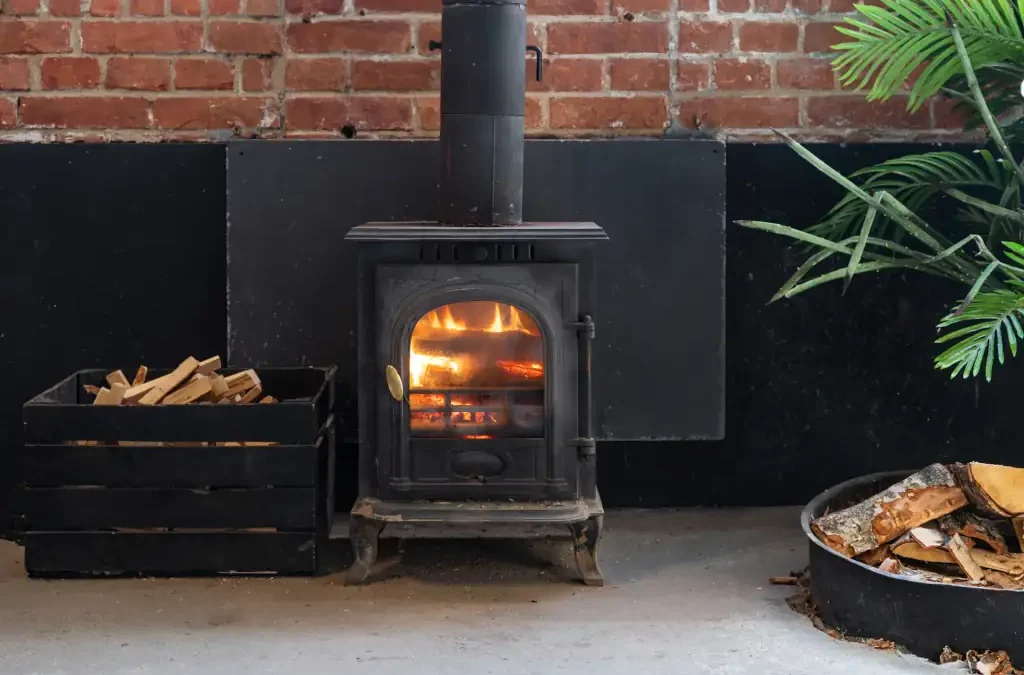
Wood burners have become increasingly popular in recent years, offering a reliable and often cost-effective way to heat our homes. We often recommend them to customers looking to create a more inviting living space while improving their heating efficiency. A wood burner, also referred to as a log burner or wood burning stove, is essentially a sealed metal firebox designed to burn logs, wood pellets, or other plant-based material. Though originally designed to heat individual rooms, many homeowners now ask whether a wood burner can be connected to central heating, and the answer is yes, but with important considerations.
Connecting a wood-burning stove to central heating isn’t a simple plug-and-play process. It requires thoughtful planning, specific equipment, and must always be installed by a qualified heating engineer. However, when done correctly, it allows us to supplement our home’s heating and hot water systems, reducing reliance on gas or electricity. With fuel costs rising, this is becoming a more attractive option for households across the UK. There are multiple ways a wood burner can support central heating, such as through the use of a back boiler or an indirect link to a hot water cylinder.
The most common setup involves fitting a wood burner with a back boiler. These types of stoves not only heat the room they’re in, but also circulate hot water through pipes to a hot water tank or central heating radiators. In homes where back boilers are still present, they can provide a useful means of water heating. However, modern regulations and safety standards mean that many old back boilers are now considered outdated. They are no longer manufactured, and in most cases, engineers now recommend upgrading to safer and more energy-efficient systems.
For those without a back boiler, there’s still a viable method of integrating a wood burner with the hot water supply. This is typically achieved using an indirect system involving a hot water cylinder. When the wood burner is lit, it heats a coil inside the cylinder, which in turn heats the water. This method doesn’t provide the full output needed to run an entire household’s heating and hot water demands, but it works effectively as a supplementary system. It’s a good option for reducing reliance on gas or electric boilers, especially during colder months when the stove is used more frequently.
It’s essential to point out that connecting a wood burner to central heating must be done correctly to ensure safety and performance. Wood burners cannot be connected to a sealed heating system like those used with combi boilers. These systems lack the open venting necessary to safely release pressure, which could cause dangerous issues if combined with a solid fuel stove. That’s why expert advice and installation are absolutely necessary. Attempting to DIY such a setup can result in serious damage or safety risks. In our experience, working with qualified engineers ensures everything is installed to meet current building and safety regulations.
Aside from the practical considerations, many people choose wood burners for their aesthetic appeal. They bring a sense of character and warmth that radiators simply can’t match. Plus, using wood as a fuel source can be more affordable than conventional options like oil, gas or electricity-especially when using seasoned logs or pellets sourced locally. According to the Energy Saving Trust, burning wood is considered carbon neutral, assuming it’s responsibly sourced, because the CO₂ emitted when burned is roughly equivalent to what the tree absorbed during its lifetime.
There are, however, environmental regulations to be aware of, especially in smoke control areas. We always recommend checking local authority guidelines or choosing a DEFRA-exempt stove if you’re in a restricted area. Many of the stoves we work with are compliant with EcoDesign standards, which set strict limits on emissions and efficiency. This ensures we’re not just saving money, but also keeping our environmental impact in check.
Incorporating a wood burner into a wider heating strategy can be a smart move for the right home, especially if your property isn’t reliant on a combi boiler and has the space to accommodate a hot water cylinder. When used in tandem with solar thermal or heat pump systems, it can form part of a hybrid heating solution that balances cost, efficiency and environmental impact.
If you’re considering making this kind of change, it’s best to start with a full heating assessment. An experienced heating engineer can examine the layout of your home, existing boiler type, and potential for integrating a wood burner safely into your central heating. From our perspective, this isn’t just about installation-it’s about helping you make a sustainable, cost-effective decision that benefits your home for years to come.
Whether you’re looking to reduce your bills, become less reliant on fluctuating energy prices, or simply enjoy the experience of wood-fired heating, there are practical ways to connect a wood burner to your central heating. Just remember, it’s never a one-size-fits-all solution-your property and heating system will determine what’s possible. And most importantly, always work with a trusted, qualified engineer to ensure the system is safe and effective.