- Your Complete Home Service Under One Roof
- 01395 571000

Top Electrical Safety Mistakes Homeowners Make
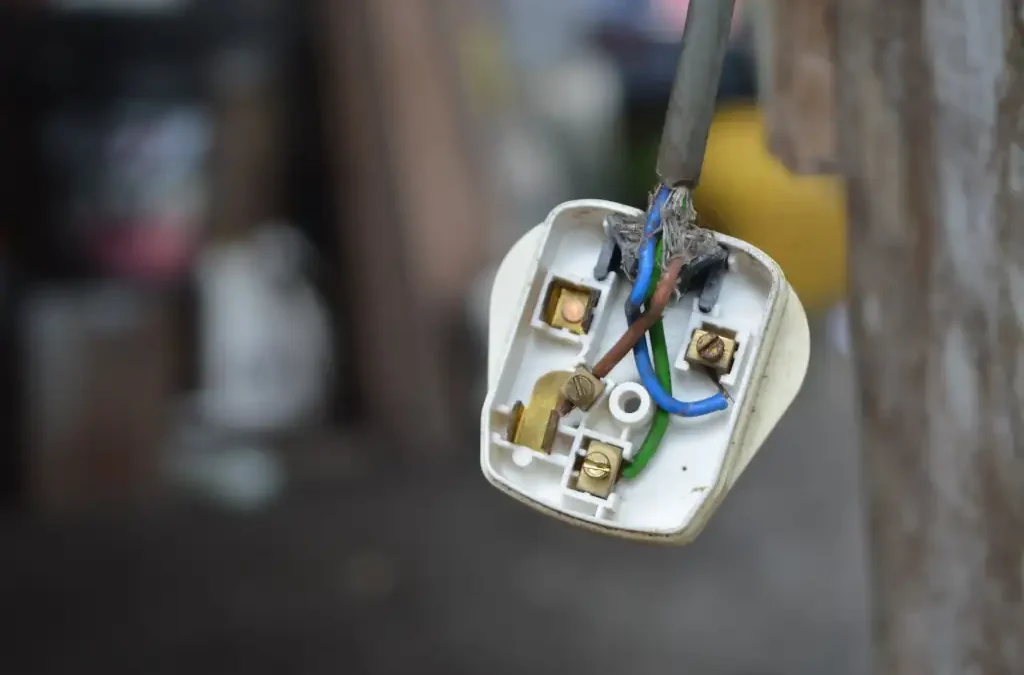
When it comes to the safety of our homes, many of us take obvious precautions-locking doors, installing smoke alarms, and keeping pathways clear of trip hazards. However, one of the most overlooked risks is often hiding in plain sight: our home’s electrics. From overloaded sockets to DIY wiring mishaps, electrical issues are not only common but also extremely dangerous if not addressed properly.
In our experience working in domestic electrical services, we’ve seen firsthand how easy it is for small mistakes to snowball into major problems. A loose plug, a frayed wire, or even the wrong type of lightbulb can spark more than just inconvenience. Many of these problems stem from a lack of awareness rather than negligence. That’s why it’s so important to understand what not to do, so we can keep our families, homes and investments safe.
Here are some of the most frequent electrical safety mistakes we come across in UK households, and what you should do to avoid them.
Overloading Extension Leads and Sockets
One of the most widespread mistakes we see is the overloading of extension leads, especially in older properties where plug sockets are limited. Many people don’t realise that plugging several high-power appliances into a single extension, such as a kettle, microwave, and toaster, can exceed the safe limit. This can cause overheating, damage to appliances, or even house fires.
The safest approach is to use high-wattage appliances on their own dedicated sockets. Always check the extension lead’s maximum load, usually marked in amps or watts, and never plug one extension lead into another. If you find you regularly need more outlets, it’s better to have additional sockets professionally installed rather than risking your safety.
Carrying Out DIY Electrical Work Without Proper Knowledge
We completely understand the temptation to fix minor electrical issues yourself. Switching out a light fitting or replacing a socket cover might seem straightforward. But electrical work is not the same as painting a wall or hanging a shelf. If you don’t have the right qualifications or understanding of the wiring involved, you could easily cause injury or damage to your property.
According to the Electrical Safety First organisation, unqualified DIY electrical work is one of the leading causes of electrical fires in UK homes. Worse still, improperly completed work might seem to function normally until something goes wrong. When in doubt, it’s always safer to call in a qualified electrician, ideally one who is NICEIC-certified or a member of a recognised UK body like NAPIT.
Ignoring Warning Signs
Flickering lights, buzzing sockets, or a faint burning smell are all signs that something is not right. In our line of work, we’re often called to homes after these warning signs have been ignored for weeks, sometimes months. The belief that “it’s probably nothing” or “it’ll go away on its own” can be dangerous.
Electrical problems rarely resolve themselves. If anything, they tend to get worse over time. It’s important to take any unusual sounds, smells, or behaviour seriously. A professional inspection doesn’t just provide peace of mind-it could prevent a fire, electric shock, or serious equipment failure.
Fitting the Wrong Bulbs or Fixtures
It’s a simple mistake to screw a high-wattage bulb into a fitting designed for lower wattage. But doing this regularly can cause overheating and, in some cases, even melt the socket. Many people also install light fittings that aren’t suitable for the location, such as non-IP-rated lights in bathrooms or outdoor areas.
Always check the recommended wattage printed on the light fixture. For areas exposed to moisture, like kitchens or bathrooms, make sure your lighting is properly rated to handle it. If you’re unsure, a professional can advise on the correct fittings and help with safe installation.
Keeping Appliances Too Close to Water
It might sound obvious, but you’d be surprised how often we find plug sockets installed within arm’s reach of bathtubs or sinks, or kettles and toasters sitting right next to the edge of a kitchen sink. Water and electricity are a lethal combination, and even a few splashes can create a hazardous situation.
UK wiring regulations (as outlined in the IET Wiring Regulations, also known as BS 7671) clearly define “zones” in bathrooms and wet areas where electrical equipment must be either avoided or properly protected. If your bathroom or kitchen layout doesn’t meet these guidelines, it’s worth arranging an inspection to bring it up to modern standards.
Using Damaged Cables or Chargers
How many of us have continued to use a phone charger with exposed wires, or a vacuum cleaner held together with tape? In our experience, many homeowners hold onto damaged electrical accessories far longer than they should. The danger lies in the exposed inner wires, which can cause electric shock, overheating, or even short circuits.
If you notice a damaged cable, plug or socket, replace it immediately. It’s just not worth the risk. The same applies to appliances that spark when switched on or those that keep tripping the circuit breaker-they need checking by a qualified electrician.
Failing to Test or Replace RCDs
Residual Current Devices (RCDs) are a key safety feature in modern homes, designed to trip the electricity supply when a fault is detected. However, we regularly come across properties where RCDs either haven’t been tested in years or, worse, aren’t installed at all. Without a functioning RCD, the risk of electric shock and fire increases significantly.
Testing your RCD should be part of routine home maintenance-it’s as simple as pressing the “test” button once every few months. If you don’t have an RCD in your consumer unit (fuse board), we strongly recommend an upgrade. You can find further guidance on this from Electrical Safety First and the UK Government’s own home safety advice.
Neglecting Professional Inspections and Maintenance
Finally, one of the biggest and most avoidable mistakes is neglecting regular electrical inspections. Most homeowners don’t consider having their electrics checked unless they’re renovating or moving. But like any part of the home, your electrical system needs periodic checks to remain safe and efficient.
As recommended on our own website, we advise that homeowners have a full Electrical Installation Condition Report (EICR) carried out at least every 10 years, or every 5 years if the property is rented. This allows us to catch potential issues early and ensures your system complies with current UK safety regulations.
Electrical safety should never be left to chance. Many of the mistakes we’ve listed here are things we encounter week after week, often with the same root cause: small risks being ignored until they become major hazards. Our experience tells us that the safest homes are those where people remain aware of the dangers, no matter how routine things might seem.
If you’re unsure about the safety of your home electrics, or simply want peace of mind, it’s always best to consult with a qualified, local electrician. Safe practices today can save lives tomorrow.